What Do You Do When a Client Doesn’t Pay Their Overdue Invoice?
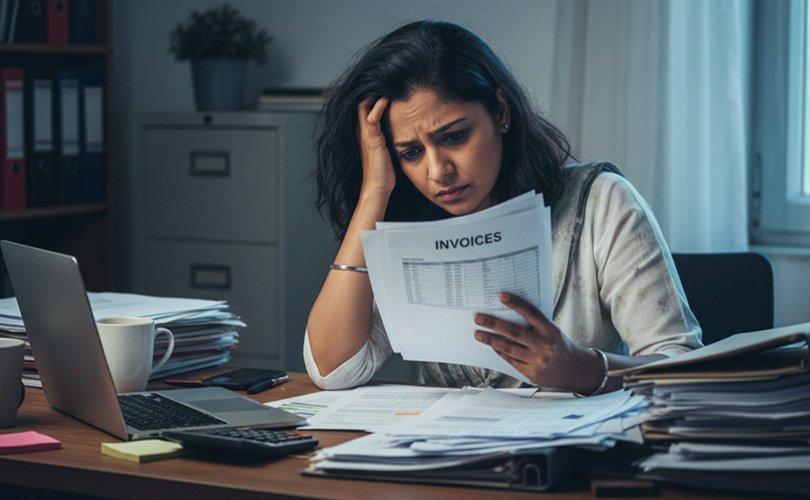
You finished the task flawlessly, and the client is satisfied. Now comes the awkward part: reminding the client about payment. But what if, after multiple emails, messages, and even calls, the client is not willing to pay the invoice? If this happens to you, know that you are not alone. If a client doesn’t pay their overdue invoice, the best course of action is to act quickly yet wisely.
After all, delayed payments affect cash flow, growth, and peace of mind. The goal stays clear: recover your money without damaging long-term business relationships.
This guide explains exactly what to do when a client is not paying an invoice, when to escalate, and when to partner with a professional agency like Taurus Collection for ethical and stress-free recovery.
Understanding Overdue Invoices
An invoice becomes overdue when the payment date mentioned in the agreement or invoice passes with no settlement in sight. Most Indian businesses follow:
- Net 15: The client must pay the invoice within 15 days from the invoice date.
- Net 30: The client must pay the invoice within 30 days from the invoice date.
- Milestone-based terms: The client makes payments in stages as specific project milestones or deliverables are completed.
Once the due date passes, the risk of non-payment increases every day. Obviously, this also depends on the industry or sector the client belongs to. In businesses like construction firms, a late invoice payment is often considered the norm as the industry relies on trust-based credit and long projects.
Steps to Take When a Client Doesn’t Pay Their Overdue Invoice
For most scenarios, immediate and careful action is considered a wise choice. Before escalation, follow the following overdue invoice collection steps carefully:
1. Recheck Your Invoice Details
Before you take matters into your hands, ensure to confirm that the invoice was:
- Sent to the right person or address
- Includes the correct GST, amount, and due date
- The contract supports the charges
After all, errors slow down payments and might weaken your relationship with the client.
2. Send a Polite Payment Reminder
Start with a friendly reminder within 2–3 days of the due date. Keep the tone professional and respectful. A simple reminder often solves the problem, as in most cases, clients delay payments unintentionally.
3. Follow Up with a Phone Call
If the client ignores emails, call them. Direct and casual communication builds clarity and trust. Ask about payment status and expected timelines.
Always send a follow-up email summarizing the discussion. This step creates a written record.
4. Offer a Practical Solution
If the client is facing genuine cash issues, discuss options like Part Payments or Short-term Payment plans.
Giving such flexibility will help you preserve relationships while ensuring recovery in the long term.
5. Send a Formal Overdue Notice
If reminders and calls fail, it’s time to take stronger actions. The first step is to send a formal notice with legal backing. Ensure that your formal notice states:
- Outstanding amount
- Original due date
- Final payment deadline
This notice signals seriousness without legal confrontation.
6. Pause Services or Deliverables
In the meantime, you should pause ongoing work if your contract allows. This step protects your business and encourages payment.
Never continue unlimited work for a client who avoids payment.
7. Send a Legal Notice
If internal efforts fail, you must evaluate legal remedies as part of the unpaid business invoice recovery process.
A legal notice through a professional advisor creates urgency. It shows that you are ready to protect your rights. It’s also crucial that the legal notice clearly informs the recipient about your intention to sue in case of further delay.
8. Use MSME Remedies (If Applicable) or Hire an Expert
Registered MSMEs can approach MSME Samadhan for delayed payments. This route offers faster resolution with interesting benefits.
Another instant recovery option is to hire a debt collection agency like Taurus Collection. These agencies use structured methods, industry experience, and legal awareness to follow up on unpaid dues.
9. Consider Civil or Commercial Action
For higher invoice values, businesses can also reach out to commercial courts or summary suits for structured recovery. Legal action requires time and focus, so businesses often prefer expert support.
When Should You Engage a Debt Recovery Agency?
Internal follow-ups and legal notices consume time and energy. This is where professional recovery becomes essential. What’s even more beneficial is that agencies like Taurus Collection work on a success-based model with a motto of “No Collection, No Fee”.
Why Businesses Choose Taurus Collection
Taurus Collection supports businesses with ethical, legal, and hassle-free recovery of overdue business payments. Our certified 100+ call agents and debt recovery agents step in when:
- Your client ignores repeated follow-ups
- You want recovery without damaging relationships
- You need compliant and professional communication
- You want to focus on business growth, not chasing payments
Our in-house legal team and certified agents devise structured follow-up strategies for legal-compliant recovery processes and a relationship-focused approach. With our India-wide business debt recovery expertise, professional debtor communication plays a major role in the recovery of the debts. In short, you recover payments while protecting your brand reputation.
When you hire a debt collection agency like Taurus Collection, this is what takes place:
- Respectful communication
- Transparent recovery steps
- Ethical negotiation methods
- Legal compliance at every stage
How to Prevent Overdue Invoices in the Future?
Defense is the best offense. It’s advisable to try to avoid overdue invoices from building up. You can reduce future payment issues by building up strong systems:
- Set Clear Payment Terms: Define due dates, penalties, and payment modes clearly in contracts.
- Take Advance or Milestone Payments: Partial payments reduce risk and improve commitment.
- Automate Invoicing and Reminders: Use accounting tools to send timely reminders.
- Act Early on Delays: The earlier you act, the higher the recovery success rate.
Need help recovering unpaid invoices?
Contact Taurus Collection today and let experts handle your overdue payments while you focus on growing your business.
When a client doesn’t pay their overdue invoice, start by checking the invoice details and sending a polite reminder. Many delays happen due to oversight and resolve with timely follow-ups.
If a client is not paying an invoice, wait 7–14 days after the due date while sending reminders. If the client continues to ignore communication, begin formal escalation steps.
Effective overdue invoice collection steps include reminder emails, follow-up calls, formal notices, pausing services, and involving a professional recovery agency when internal efforts fail.
The unpaid business invoice recovery process in India may include sending a legal notice, approaching MSME Samadhan (for MSMEs), or filing a civil or commercial case, depending on the invoice value.
When dealing with non-paying clients in India, use professional communication, document all follow-ups, and rely on ethical recovery partners who focus on resolution rather than confrontation.
If your client doesn’t pay their overdue invoice despite repeated reminders and notices, hiring a professional agency helps recover payments faster while allowing you to focus on business operations.
Do Like & Share
-
 What is a Recovery Agent? Role, Rights, and What They Can Legally Do in India
 -
Ethical Invoice Collection: What It Means and Why It Matters for Your Client Relationships
-
Your 5-Point Checklist Before Sending an Invoice to Collections
-
The Relationship Rescue: Recovering a Debt Without Losing the Client
-
 Not Just Cash Flow: The Hidden Business Costs of Chasing Late Payments
 -
How to Spot a High-Risk Client Before You Extend Credit?
-
"Can We Set Up a Payment Plan?" How to Handle This Client Request — and Still Get Paid
-
Why Delayed Unpaid Invoice Recoveries Are Hurting Your Business More Than You Realise?